Retail spaces are evolving rapidly as brands focus more on customer experience, visual identity, and immersive shopping environments. Retail Store Interior Design 2026 is all about combining functionality, technology, and creativity to create stores that attract visitors and encourage them to stay longer.
In today’s competitive retail market, interior design has become a powerful business tool rather than simply a decorative element. Modern retailers are investing in layouts, lighting, materials, and branding strategies that strengthen customer engagement and improve shopping experiences. Companies like Aces Design Studio are helping businesses transform retail interiors into memorable and visually compelling commercial spaces.
The Roots of Retail Store Interior Design 2026
Retail store design began with simple and highly functional layouts focused mainly on displaying products efficiently. Early retail spaces prioritized organization and accessibility over aesthetics. Small local shops often used basic shelving, straightforward pathways, and minimal decoration to maximize storage and customer movement.
As retail industries expanded, store interiors started evolving into more visually appealing environments. Department stores introduced decorative displays, larger windows, and themed sections to attract shoppers and create emotional connections.
Over time, branding became a major influence on retail design. Businesses realized that store interiors could communicate personality, quality, and customer values. Today, Retail Store Interior Design 2026 continues this evolution by blending advanced technology with visually engaging experiences that align with modern consumer expectations.
Classic Retail Store Interior Design 2026: Timeless Appeal
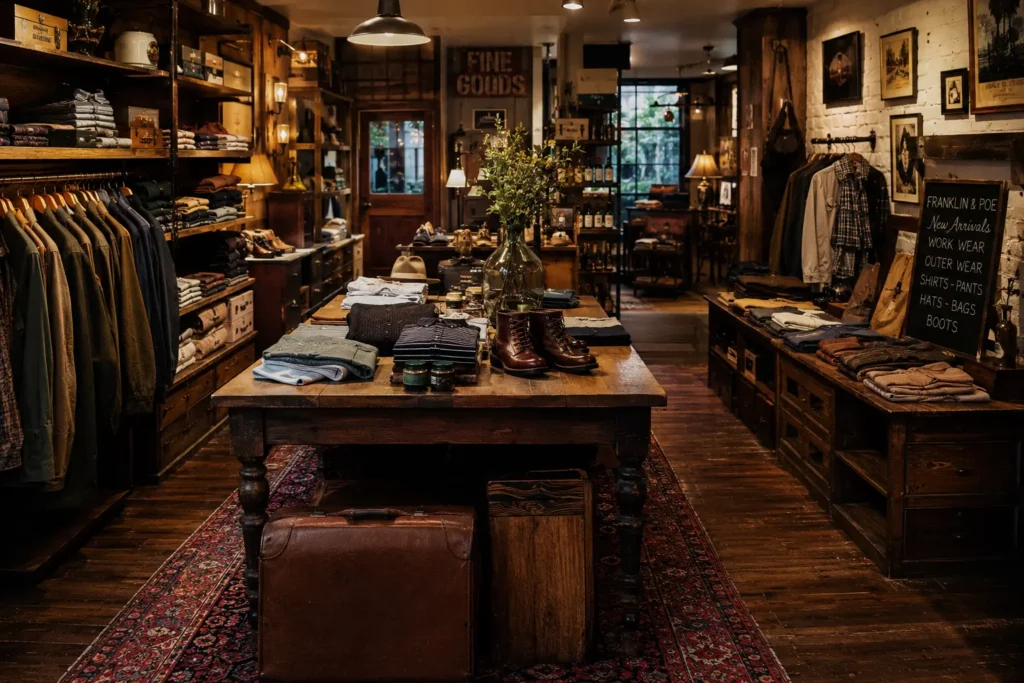
Despite the rise of modern retail concepts, classic retail interiors still hold strong emotional and commercial value. Many luxury boutiques and heritage brands continue to embrace timeless design principles that create familiarity and trust.
Traditional retail interiors often feature elegant wood finishes, warm lighting, symmetrical layouts, and carefully curated displays. These design elements create a welcoming atmosphere while highlighting craftsmanship and authenticity.
Classic store designs also evoke nostalgia, which can strengthen emotional connections with customers. Bookstores, fashion boutiques, and specialty shops often use vintage-inspired interiors to create memorable shopping experiences that feel personal and comfortable.
The enduring appeal of classic retail interiors lies in their ability to balance sophistication with familiarity. Even modern retail stores often incorporate traditional textures or heritage-inspired details to maintain warmth and authenticity.
Modern Retail Store Interior Design 2026: Innovation Meets Style
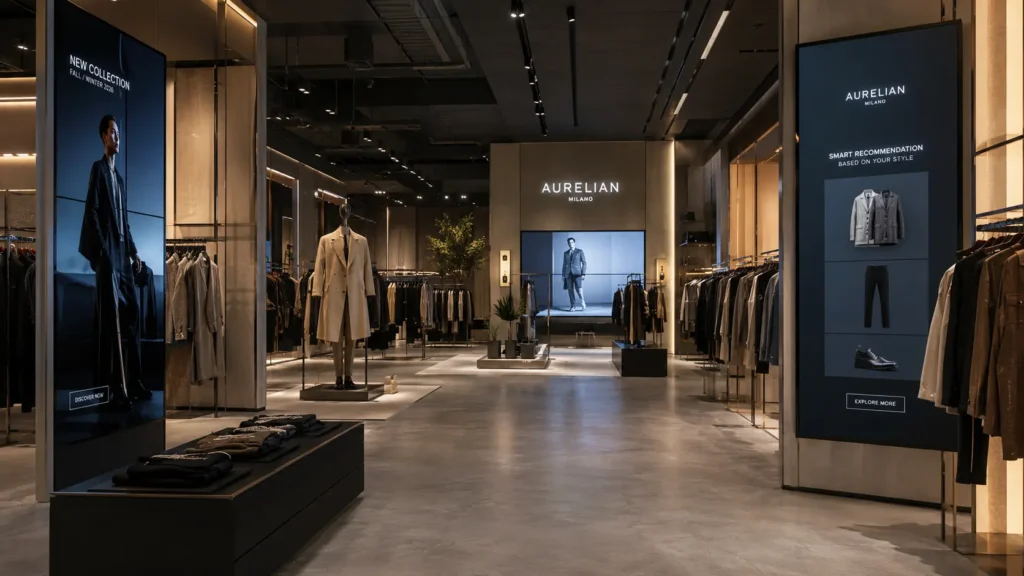
Modern retail interiors are designed to deliver experiences rather than simply showcase products. Retail Store Interior Design 2026 focuses on interactive layouts, smart digital features, and engaging visual spaces designed to match changing customer expectations and shopping habits.
Open layouts, flexible display systems, and interactive zones are becoming essential features in modern retail spaces. Brands are focusing on creating environments that encourage exploration, social interaction, and longer customer engagement.
Performance & Technology
Technology is transforming how retail environments function and how customers interact with stores. Smart lighting systems, digital screens, and automated inventory solutions are becoming standard features in modern retail design.
Interactive displays and touchscreen systems allow customers to explore products more efficiently while enhancing convenience and personalization. Smart mirrors in fashion stores and virtual product demonstrations are also reshaping customer experiences.
Sustainable materials and energy-efficient systems are another major trend in Retail Store Interior Design 2026. Retailers are increasingly choosing eco-friendly flooring, LED lighting, and recycled materials to reduce environmental impact while maintaining premium aesthetics.
Durability is equally important. High-traffic retail spaces require materials that can withstand daily use while maintaining a clean and polished appearance.
Design, Style, or Visual Identity
Visual storytelling is one of the most important aspects of modern retail design. Bold layouts, statement lighting, and creative product displays help brands stand out in crowded markets.
Minimalist aesthetics remain highly popular in 2026, especially for luxury and fashion retailers. Clean lines, neutral palettes, and uncluttered layouts create sophisticated shopping environments that focus attention on products.
At the same time, many brands are experimenting with vibrant colors, artistic installations, and immersive visual elements to create memorable experiences. Textured walls, natural materials, and layered lighting techniques add depth and personality to retail interiors.
Brand identity now influences every detail of retail design, from flooring and shelving to lighting and signage. Consistency in visual identity helps businesses create stronger emotional connections with customers.
User or Fan-Centric Approach
Modern retail interiors are increasingly customer-focused. Retailers understand that shoppers value comfort, convenience, and experience as much as the products themselves.
Flexible layouts allow customers to move naturally through the space without feeling overwhelmed. Comfortable seating areas, intuitive navigation, and personalized display zones help improve the overall shopping journey.
Social-media-friendly interiors are also becoming highly influential. Many brands intentionally create visually striking corners and branded installations that encourage customers to take photos and share their experiences online.
This fan-centric approach strengthens customer loyalty while increasing brand visibility across digital platforms.
How Retail Store Interior Design 2026 Reflects Identity or Value
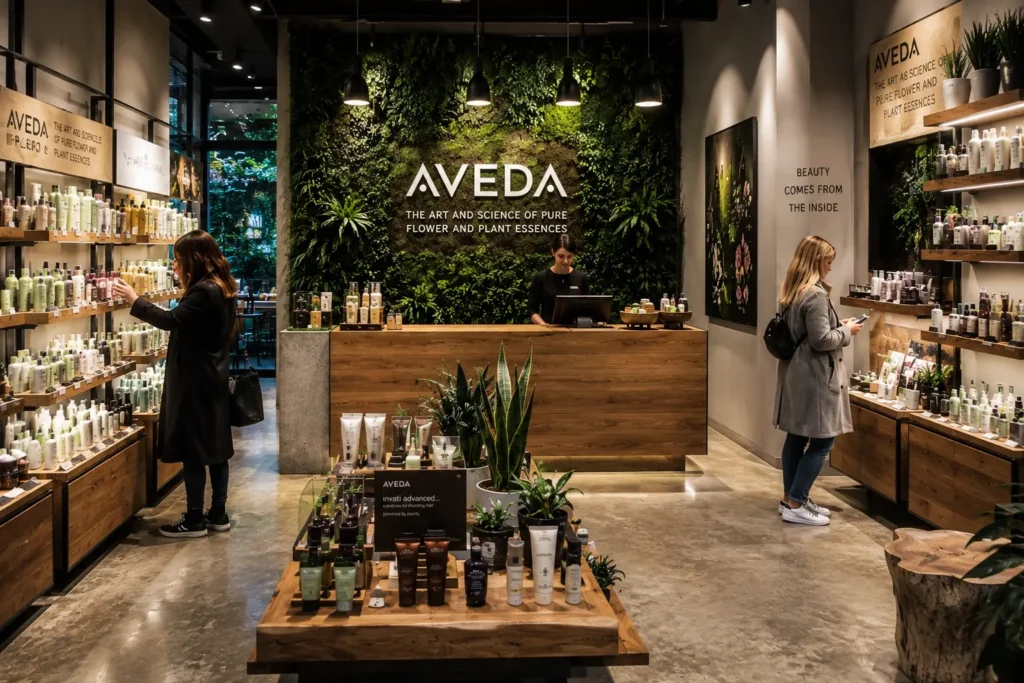
Retail interiors are now powerful reflections of brand identity and company values. Every design decision communicates something about the business, whether it focuses on luxury, sustainability, creativity, or innovation.
A modern retail store with clean lines and premium materials may reflect exclusivity and sophistication, while a store featuring natural textures and eco-friendly materials may emphasize sustainability and authenticity.
Modern consumers are more likely to support brands that reflect their beliefs and values.
As a result, Retail Store Interior Design 2026 plays an important role in building trust, emotional engagement, and long-term customer relationships.
Store interiors also influence how customers perceive product quality and overall brand credibility. A thoughtfully designed environment can significantly enhance the shopping experience and encourage repeat visits.
Collecting or Long-Term Value
Retail interior design is often viewed as a long-term business investment rather than a short-term expense. Professionally designed stores can improve customer retention, increase sales performance, and strengthen brand recognition over time.
High-quality materials, adaptable layouts, and timeless design strategies provide lasting value while reducing the need for constant renovations. Many retailers are now adopting adaptable interior designs that can easily adjust to new product presentations and shifting consumer preferences.
Well-designed retail spaces also contribute to stronger marketing opportunities. Unique interiors frequently become part of a brand’s identity, helping businesses attract attention both in-store and online.
Tips for Choosing the Right Retail Store Interior Design 2026
Selecting the right retail interior design requires balancing aesthetics, branding, and functionality.
- Prioritize layouts that improve customer flow and browsing experience.
- Choose durable materials suitable for high-traffic commercial spaces.
- Use lighting strategically to highlight products and create atmosphere.
- Maintain consistent branding throughout colors, signage, and displays.
- Incorporate flexible display systems that can adapt to future trends.
Add FAQs Retail Store Interior Design 2026
What are the biggest retail interior trends in 2026?
The biggest trends include smart technology integration, minimalist layouts, sustainable materials, immersive displays, and customer-focused store experiences.
Why is retail store interior design important?
Retail design influences customer behavior, strengthens branding, and improves the overall shopping experience, which can increase customer engagement and sales.
Are minimalist retail interiors still popular in 2026?
Yes, minimalist retail interiors remain highly popular because they create clean, organized, and visually sophisticated shopping environments.
How can technology improve retail interiors?
Technology improves convenience, personalization, and customer interaction through digital displays, smart lighting, touchscreens, and automated systems.
Does good retail design increase customer engagement?
Yes, well-designed retail spaces encourage customers to spend more time in-store, explore products more comfortably, and develop stronger emotional connections with brands.
Conclusion
Retail Store Interior Design 2026 is redefining how businesses connect with customers through immersive, functional, and visually impactful spaces. Modern retail interiors are no longer just about displaying products — they are about creating memorable experiences that strengthen brand identity and encourage long-term customer engagement.
As retail competition continues to grow, investing in professional interior design has become essential for businesses that want to stand out. With the expertise of Aces Design Studio, brands can create stylish and future-ready retail environments that combine innovation, comfort, and commercial success. Whether launching a new store or renovating an existing space, embracing the latest retail design trends can help businesses thrive in the modern marketplace.